The Language of Knots: Techniques in Moroccan Rug Making
Explore the refined knotting techniques behind Moroccan rugs—from mountain Ghiordes to urban Senneh—where artisans turn wool into timeless works of woven art
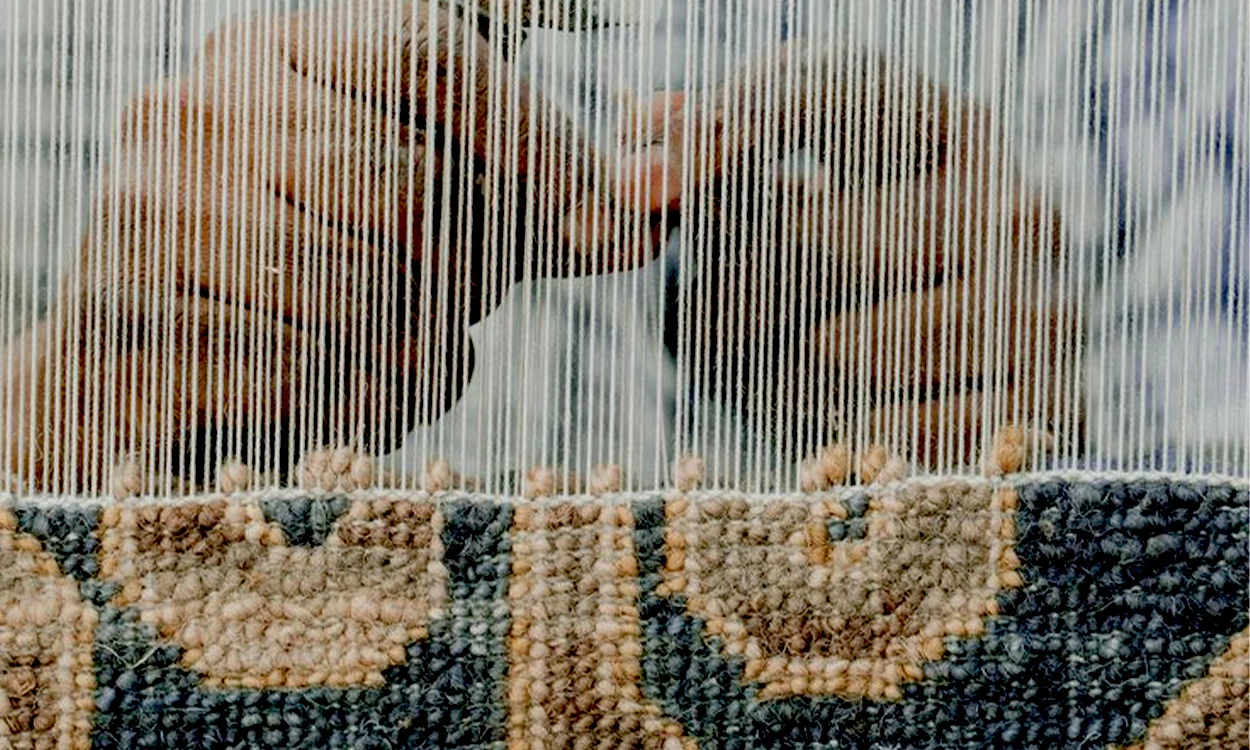
Have you ever wondered how a simple knot can create such extraordinary beauty? At the heart of authentic Moroccan rug making lies a sophisticated language of knots—techniques developed over centuries that transform simple wool thread into textiles of remarkable durability, texture, and cultural expression. These traditional knotting methods represent one of the most profound examples of handcraft knowledge still practiced in today's increasingly mechanized world.
In an age where machines can produce hundreds of rugs in a day, Moroccan artisans still tie each knot by hand—sometimes more than a million in a single rug. Understanding these traditional techniques helps explain why authentic handmade pieces possess qualities that machine-made alternatives simply cannot replicate.
Regional Knotting Languages of Morocco
Different regions across Morocco have developed distinctive knotting styles that create unique textures and visual effects. These variations aren't random but represent carefully evolved techniques adapted to specific functional needs, available materials, and cultural expressions.
The Symmetric Ghiordes Knot: The Mountain Standard
Predominant in Middle and High Atlas Mountain regions, the symmetric (or Ghiordes) knot creates rugs of exceptional density and warmth. This technique involves wrapping wool around two adjacent warp threads, then drawing the ends back between them before compressing with a heavy comb.
The resulting surface is plush and dense—ideal for the cold mountain regions where these rugs originated. The symmetrical structure creates remarkable durability, allowing these rugs to withstand generations of use while maintaining their integrity.
Beni Ourain rugs, with their characteristic cream backgrounds and black or brown diamond patterns, typically employ this knotting style. The knot's structure allows for the creation of crisp geometric shapes while providing the significant pile height needed for insulation in high-altitude homes.
The Asymmetric Senneh Knot: Urban Refinement
More common in rugs from Rabat, Fez, and other urban traditions, the asymmetric (or Senneh) knot enables finer detail and more intricate patterning. This technique wraps wool around one warp thread and then passes behind the adjacent one, creating a slightly flatter but more detailed surface.
This knotting style allows for greater pattern precision and was historically used in more cosmopolitan settings where decorative refinement might be prioritized over maximum insulation. The resulting rugs feature more intricate designs but slightly less pile height than their mountain counterparts.
The asymmetric technique creates a distinctive texture that reflects light differently than symmetric knots, giving these rugs a subtly different visual character that changes with viewing angle.
Single vs. Double Weft: Structural Choices
Beyond the knots themselves, Moroccan weavers make crucial decisions about weft structure—the horizontal threads that secure each row of knots:
Single Weft: Creates a more supple, flexible rug suitable for diverse uses. This technique requires less material but demands greater precision to maintain consistent tension.
Double Weft: Produces sturdier, thicker rugs designed for high-traffic areas. This technique uses more material but creates exceptional durability for pieces meant to withstand generations of use.
These structural choices directly influence how a rug performs in different settings and how it ages over time—another example of the sophisticated technical knowledge embedded in this craft tradition.
Density and Dimension: The Mathematics of Knots
The density of knots in a Moroccan rug reveals much about its origin, intended purpose, and the skill of its creator. Finer rugs might contain 100 or more knots per square inch—an extraordinary feat of precision handwork that requires decades of practice to master.
A single high-quality Moroccan rug might contain anywhere from 25,000 to over 1,000,000 knots, each tied individually by hand. This density directly influences both the visual resolution of patterns and the physical characteristics of the finished piece.
What makes this process even more remarkable is that weavers work from the back of the rug, unable to see the pattern emerging on the front except during periodic checks. This requires not just technical skill but a form of spatial intelligence and memory that develops over years of practice in the Atlas Mountains workshops.
Tools of the Tradition
The tools used in traditional Moroccan knotting remain remarkably simple, emphasizing the centrality of human skill rather than technological complexity:
Wooden Combs: Used to compress each row of knots, these tools vary in weight and tooth spacing according to regional traditions and desired pile density. A heavier comb creates tighter compression and a denser pile.
Cutting Blades: Specialized knives for trimming knots to create even pile height. The specific height varies by regional tradition, with mountain rugs often featuring longer pile for warmth.
Vertical Looms: Made from local woods like cedar or oak, these frame structures have remained largely unchanged for centuries. Their vertical orientation allows weavers to adjust tension as work progresses.
The simplicity of these tools underscores that the true technology of Moroccan rug making resides not in equipment but in the knowledge and skill carried in the hands and minds of the artisans.
The Physical Language of Creation
Perhaps most extraordinary is how this knowledge is transmitted—not primarily through written instructions or diagrams, but through physical demonstration and practice. Young weavers learn by watching experienced artisans, beginning with simple tasks before gradually developing the coordination, judgment, and spatial understanding needed for more complex work.
This embodied knowledge includes understanding how tightly to tie each knot, how to maintain consistent tension across hundreds of thousands of individual movements, and how to judge pile height without mechanical guides. It represents a form of intelligence that connects mind, hand, and material in ways increasingly rare in our digital age.
The rhythm of knotting becomes almost meditative, with experienced weavers developing a flow state that allows them to work for hours while maintaining precise consistency. This rhythm is often accompanied by songs and stories that encode cultural memory alongside technical instruction.
How to Recognize Authentic Hand-Knotting
Understanding traditional knotting techniques helps you appreciate and identify authentic handmade Moroccan rugs:
Back-to-Front Consistency: Turn over an authentic hand-knotted rug and you'll see the pattern clearly—each knot visible on the back corresponds precisely to what appears on the front.
Slight Variations: Look for the subtle irregularities in knot size and spacing that indicate human handwork rather than machine precision. These aren't flaws but signatures of authentic craftsmanship.
Dimensional Pile: Notice how light interacts with the pile of a hand-knotted rug, creating subtle variations as you move around it. This dimensional quality comes from the natural variations in hand-tied knots.
Structural Integrity: Bend an authentic rug and feel how the foundation remains flexible yet strong—the result of knotting techniques refined over centuries for optimal performance.
A Heritage Worth Preserving
The knotting techniques preserved in Moroccan rug making represent more than just craft methods—they embody a profound relationship between people, materials, and environment developed over centuries in the Atlas Mountains region. Each knot carries this cultural DNA forward.
When you choose an authentic hand-knotted Moroccan rug, you help ensure that this sophisticated knowledge continues to be valued and transmitted to new generations. You bring into your home not just a beautiful object but a piece of living heritage that connects you to one of humanity's most enduring craft traditions.
In a world increasingly dominated by automated production and artificial materials, these hand-knotted textiles remind us of the irreplaceable value of human skill and natural materials coming together through traditions refined over countless generations.