The Minimalist’s Guide to Styling Berber Rugs
Traditional Berber rugs bring warmth to minimalist spaces. Their geometric patterns, neutral tones, and rich textures add depth and authenticity to modern design.
Can traditional Moroccan textiles really work in a minimalist space? Contrary to popular belief, authentic Berber rugs from Morocco's Atlas Mountains are perfect partners for minimalist interiors. Their clean geometric patterns, restrained color palettes, and rich textural qualities create stunning contrast in pared-back spaces without compromising the essential minimalist principles of simplicity and intentionality.
Why Berber Rugs Work in Minimalist Design
The enduring appeal of Berber rugs in contemporary minimalist spaces isn't simply a passing trend but a reflection of inherent design compatibility. These handwoven textiles offer several qualities that enhance minimalist interiors:
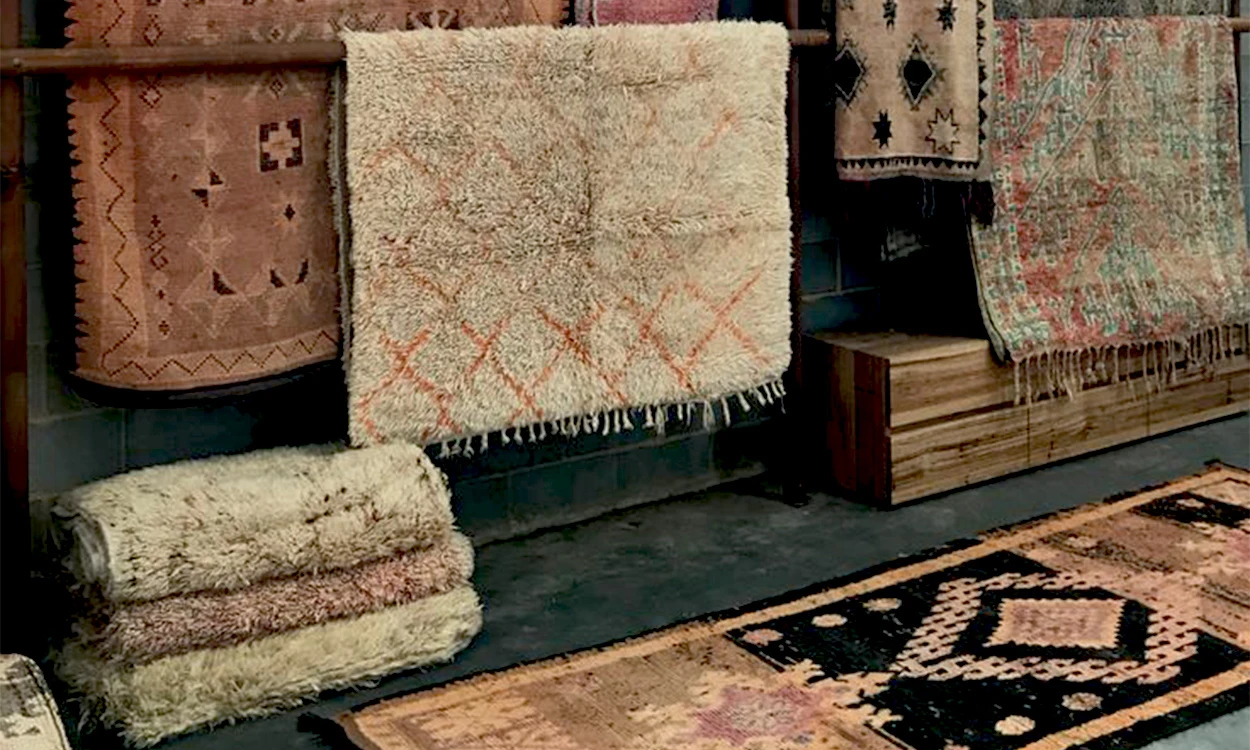
Geometric Foundations: Most traditional Berber patterns are built on simple geometric principles that feel simultaneously ancient and contemporary. The clean lines and abstract diamond motifs of Beni Ourain rugs, in particular, provide visual interest without the busy complexity that would disrupt minimalist harmony.
Neutral Palette: The classic undyed wool background with black or brown patterns found in many Middle Atlas rugs complements the restrained color schemes typical of minimalist spaces. These rugs add warmth without introducing competing hues.
Textural Dimension: While minimalism emphasizes clean lines and uncluttered surfaces, too much visual flatness can make spaces feel cold and uninviting. The rich, tactile quality of handwoven Berber rugs adds necessary textural depth without visual chaos.
The Perfect Pairing: Beni Ourain and Minimalism
Among the various Berber rug styles, Beni Ourain rugs from the northeastern Middle Atlas mountains have become particularly associated with minimalist design. Their cream backgrounds and simple diamond patterns create stunning contrast against clean architectural lines and monochromatic color schemes.
These rugs were originally created for practical warmth in the cold Atlas Mountains, but their aesthetic restraint makes them particularly suitable for contemporary minimalist spaces. The apparent simplicity of their designs belies the cultural depth and personal expression they contain—each pattern tells a story through an ancient symbolic language.
Expert Styling Approaches
1. Embrace Asymmetry
In minimalist spaces featuring Berber rugs, avoid perfectly centered placement. Position rugs slightly off-center or at thoughtful angles to maintain the dynamic, unfussy feeling of true minimalism. This intentional asymmetry creates visual interest while honoring the organic, handmade quality of these textiles.
Styling Tip: In living areas, try positioning a Beni Ourain rug so that only front furniture legs rest on it, allowing the textile to extend unevenly into the space rather than being completely hidden under furniture.
2. Create Negative Space
Allow plenty of breathing room around your Berber rug rather than crowding it with furniture. This negative space highlights the textile as a thoughtfully chosen element rather than just floor covering. The contrast between the rug's rich texture and the surrounding clean floor creates visual definition that enhances spatial awareness.
Styling Tip: In bedrooms, consider using a smaller Berber rug positioned asymmetrically beside the bed rather than a large centered rug. This approach creates a warm landing spot while maintaining the airy quality of minimalist spaces.
3. Balance with Natural Materials
Pair Berber rugs with natural materials like wood, stone, and linen to create harmony between the handcrafted textile and other elements. The organic quality of these materials complements the authentic character of the rugs while maintaining minimalist restraint.
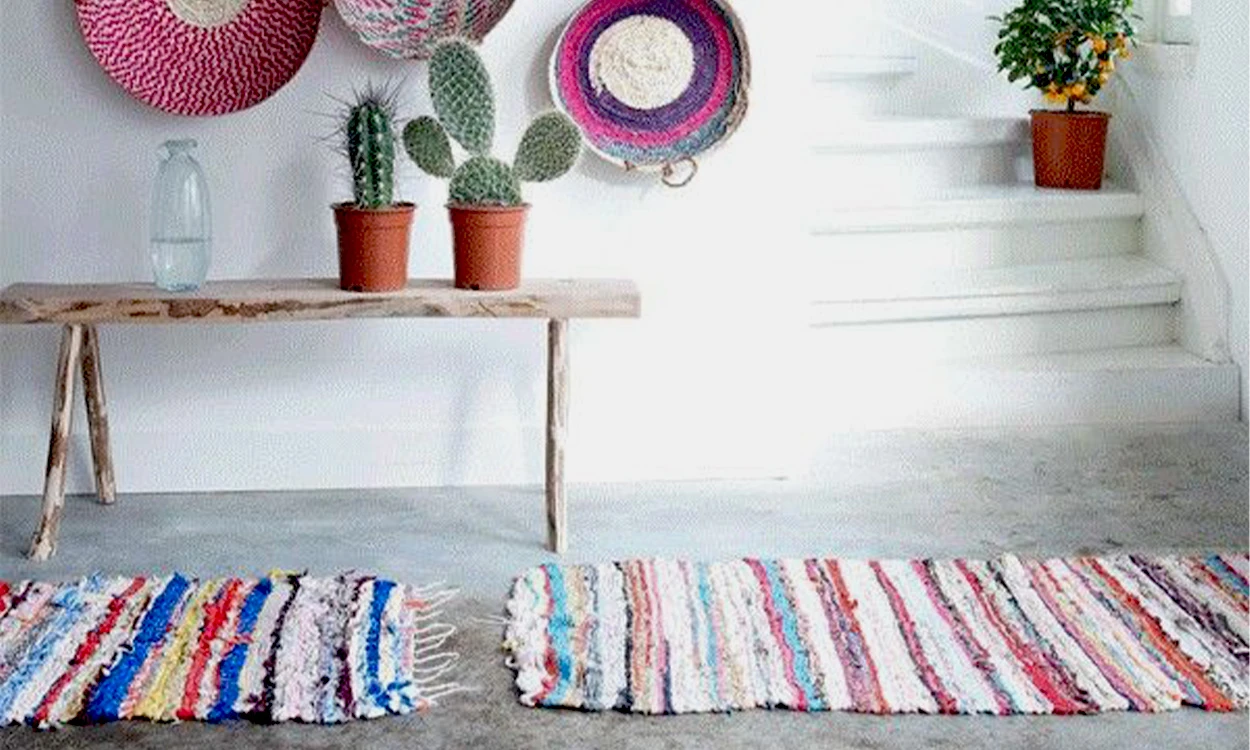
Styling Tip: In spaces with concrete floors or white walls, a traditional Berber rug adds necessary warmth and prevents the minimalist environment from feeling sterile or institutional.
Seasonal Adaptation in Minimalist Spaces
One advantage of using Berber rugs in minimalist spaces is the ability to easily shift the feeling of your interior seasonally without adding clutter:
Winter Approach: Introduce a plush, heavy-pile Beni Ourain rug to add both physical warmth and visual coziness during colder months. The soft texture creates an inviting atmosphere while maintaining clean minimalist lines.
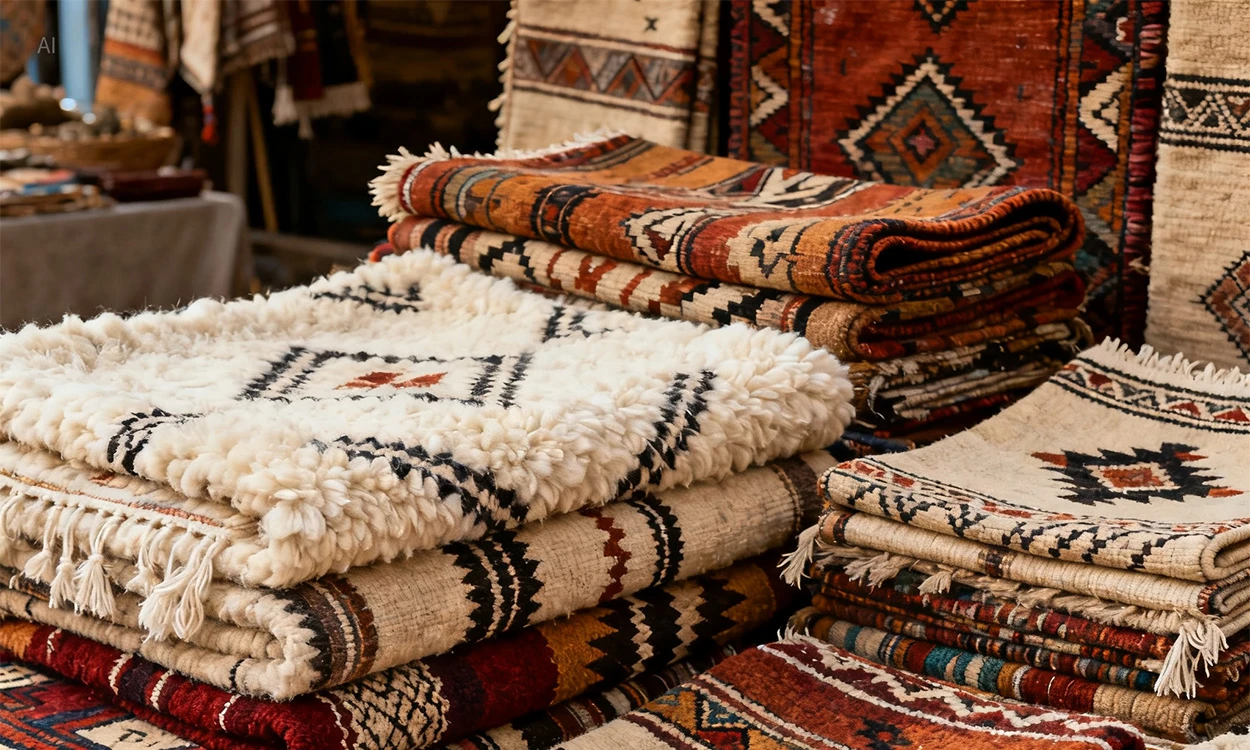
Summer Approach: Swap heavier pile rugs for flatter kilim-style Berber textiles during warmer months. These lighter pieces maintain the geometric interest and cultural connection while feeling appropriately seasonal.
Cultural Respect in Minimalist Context
When incorporating Berber rugs into minimalist spaces, it's important to maintain respect for their cultural origins rather than treating them as merely decorative objects. Take time to learn about the symbolic language contained in the patterns and the specific traditions of the region from which your rug originates.
Authentic sourcing is particularly important. Mass-produced imitations not only lack the soul and quality of genuine Berber rugs but also undermine the livelihoods of traditional Atlas Mountains artisans who have maintained these crafts for generations.
By choosing authentic pieces and taking time to understand their cultural context, you transform your minimalist space from simply aesthetically pleasing to meaningfully connected to living traditions and artisanal excellence.