Protective Blessings: The Spirit of Berber Rug Symbols
More than decoration, Berber rugs protect the spirit. Eye motifs ward off harm, borders form barriers, and sacred patterns guard families through life’s changes.
Is your Berber rug just a beautiful floor covering, or could it be something more? Beyond their aesthetic beauty, traditional Moroccan rugs have long served spiritual and protective functions in Amazigh culture. For centuries, weavers have incorporated symbols intended to bless spaces, protect families, and connect the material world to spiritual realms.
These protective elements aren't mere superstition but represent a sophisticated belief system where objects carry intention and energy. Understanding this dimension adds profound depth to appreciating authentic Berber textiles.
The Protective Power of Symbols
Many geometric motifs in Berber rugs serve explicit protective functions. These include:
Guardian Symbols
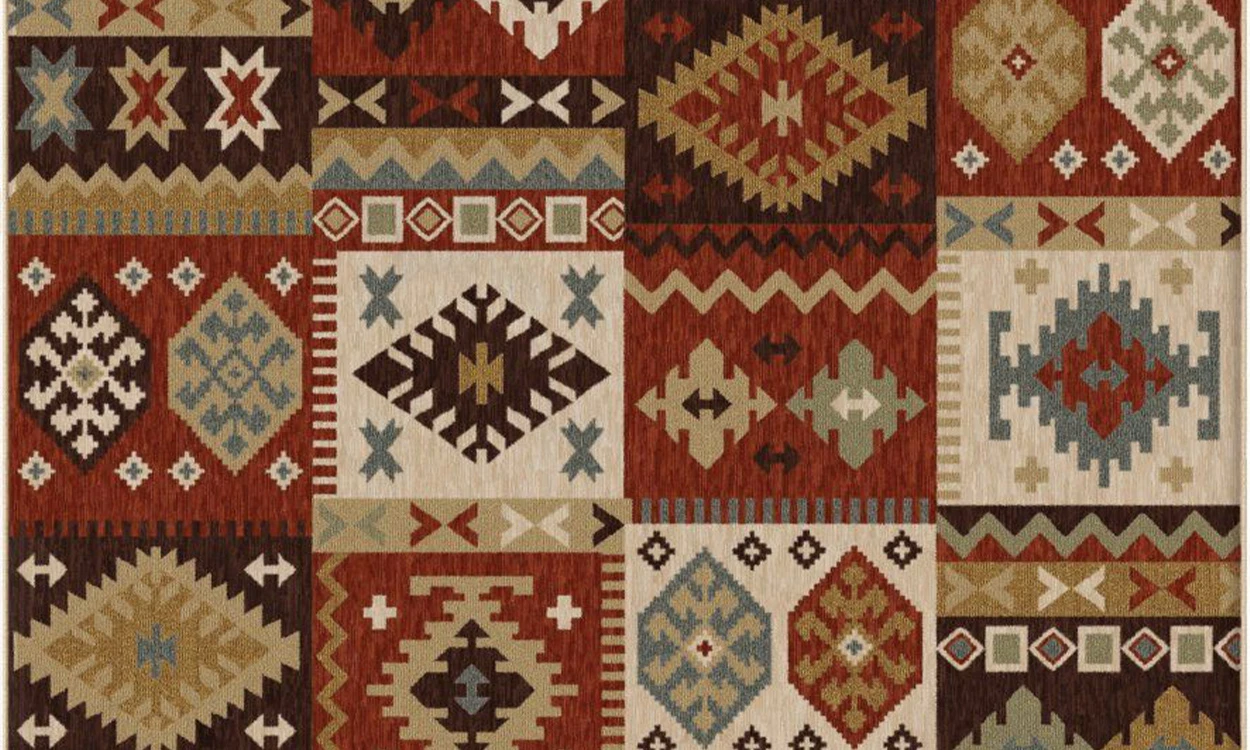
The Eye: Perhaps the most universal protective symbol, the stylized eye appears in countless variations across Berber rugs. It represents vigilance against negative influences and is believed to reflect harmful energy away from the household. These eye motifs might appear as simple dots within diamonds or elaborate designs incorporated throughout the pattern.
The Hand (Khamsa): This five-fingered symbol—known as khamsa or "five" in Arabic—has ancient roots in North African protective traditions. In rug designs, it often appears in abstracted geometric form, with five lines representing the fingers. The khamsa is believed to deflect evil and bring blessings to the home.
Crosses and X-Forms: These symbols predate Christian influence in North Africa and represent the four cardinal directions. They serve to protect space from all sides and mark sacred boundaries. When placed at corners or along borders, they create a protective perimeter around the central field of the rug.
Border Guardians: The Protective Perimeter
The borders of traditional Berber rugs often contain concentrated protective elements that create a spiritual boundary. Common border elements include:
Chevrons: These V-shaped symbols are often stacked to create borders that symbolically guard the central field.
Zigzags: When used in borders, these can represent water barriers that negative spirits cannot cross.
Repeated Eye Motifs: Creating a vigilant perimeter of watchfulness around the central design.
The arrangement of these elements isn't random. Traditional weavers pay careful attention to creating complete protective circuits without gaps or breaks that might allow negative energies to penetrate.
Life Transition Protections
Specific rugs were created to protect people during vulnerable life transitions. For example:
Marriage Rugs
Rugs created specifically for newly married couples often incorporate symbols of fertility, protection, and harmony. These pieces frequently feature prominent use of red—a color associated with vitality and protection—and incorporate diamond patterns representing feminine fertility alongside complementary masculine symbols.
Such rugs weren't merely decorative but were believed to actively bless the union and protect the new family unit during its vulnerable formative period. Often created by the mother or female relatives of the bride, these textiles carried the protective intentions of the extended family.
Childbirth and Infancy
Smaller rugs created for use during and after childbirth often incorporate dense arrangements of protective symbols to guard both mother and child during this vulnerable time. These might include multiple eye motifs, protective hands, and symbols of female strength and resilience.
In some Berber communities, special small rugs were created specifically for newborns to lie upon, incorporating symbols believed to ensure healthy development and protection from illness or spiritual harm.
Ritual Creation: Blessing Through Process
The protective power of Berber rugs extends beyond their visual symbols to include the very process of their creation. Traditional weaving practices often incorporate rituals and blessings that infuse the textile with protective intention.
In many communities, weavers begin new pieces with specific prayers or blessings. Certain symbols might be woven at auspicious times—perhaps aligned with lunar cycles or significant dates in the agricultural calendar. Some regions maintain traditions of incorporating small protective elements into the weave itself:
Knot Variations: Special knots tied with specific intentions or prayers
Hidden Elements: Small pieces of metal, special fibers, or herbs sometimes incorporated into the structure
Intentional "Imperfections": Small deliberate variations that acknowledge human humility before divine perfection
Color as Spiritual Protection in the Atlas Mountains
In traditional Berber weaving from the Atlas Mountains, colors carry spiritual protective properties beyond their aesthetic impact:
Red: Often considered the most protective color, believed to deflect negative energy and bring vitality
Blue: Associated with spiritual protection, particularly against the evil eye
Black: Can represent protection through the absorption of negative forces
White/Undyed Wool: Represents purity and spiritual cleansing
The specific combinations of these colors create layered protective effects, with certain pairings believed to be particularly powerful in specific contexts or against specific threats.
Living with Protected Spaces
When incorporating authentic Berber rugs into contemporary spaces, we connect to this ancient tradition of creating protected environments. While our understanding of protection may differ from traditional beliefs, the intention behind these textiles—to create spaces of safety, harmony, and positive energy—remains profoundly relevant.
These rugs remind us that our surroundings can be more than merely functional or decorative—they can embody intentions and create environments that nurture wellbeing on multiple levels. The protective symbols woven into traditional Berber rugs represent one of humanity's oldest impulses: to create spaces of safety and blessing amid life's uncertainties.